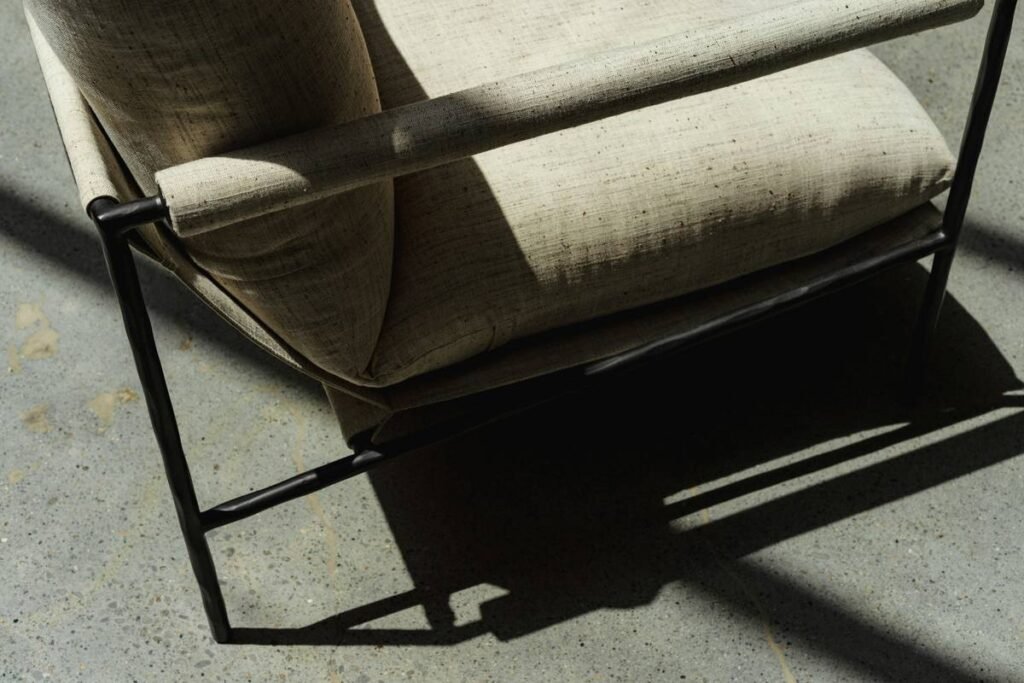
Ever walked into a furniture outlet, eyes wide at the prices, only to leave confused about which chairs are actually worth buying? You’re not alone. I once snapped up a “vintage-inspired” wingback chair for $89—only to discover, three weeks later, that the frame was made of particleboard held together with hopes and prayers. It collapsed during a Zoom call. My cat judged me silently from across the room.
If you’re hunting for furniture outlet chairs that blend quality, style, and real value—not just cheap thrills—you’ve landed in the right spot. In this guide, you’ll learn exactly how to spot durable, design-forward chairs at outlet prices, avoid common buyer traps, and even score discontinued designer pieces for a fraction of retail. We’ll cover:
- Why furniture outlets exist (and why they’re goldmines)
- How to assess frame, upholstery, and joinery like a pro
- The top chair styles worth grabbing at outlets—and which to skip
- Real case studies of smart outlet buys (with before/after photos)
- Frequently asked questions answered by industry insiders
Table of Contents
- Key Takeaways
- Why Do Furniture Outlets Even Exist?
- How to Shop for Furniture Outlet Chairs Like a Pro
- Best Practices for Buying Outlet Chairs
- Real-World Success Stories: Outlet Chairs That Nailed It
- FAQs About Furniture Outlet Chairs
- Conclusion
Key Takeaways
- Furniture outlets sell overstock, floor models, discontinued lines, and slight seconds—often at 30–70% off retail.
- Solid hardwood frames (oak, maple, beech) and 8-way hand-tied springs signal long-term durability.
- Avoid chairs with wobbly legs, pilling fabric, or stapled (not glued/doweled) joints—they won’t last.
- Dining chairs, accent armchairs, and task chairs are the safest bets at outlets; avoid complex recliners or leather sectionals unless deeply inspected.
- Many outlets offer same-day pickup or local delivery—ideal for avoiding shipping damage and hidden fees.
Why Do Furniture Outlets Even Exist?
Let’s get real: furniture brands aren’t running outlets out of charity. They exist because of overproduction, showroom turnover, minor blemishes, or discontinued collections. According to the American Home Furnishings Alliance (AHFA), nearly 12% of all new furniture ends up in outlet channels annually due to overstock or floor model rotation.
But here’s the kicker—many of these pieces are brand-new or lightly used. Floor models often get replaced every 6–12 months to keep showrooms fresh, even if the chair is structurally perfect. And “slight seconds”? Might just mean a tiny scuff on the back leg—completely invisible in your home.
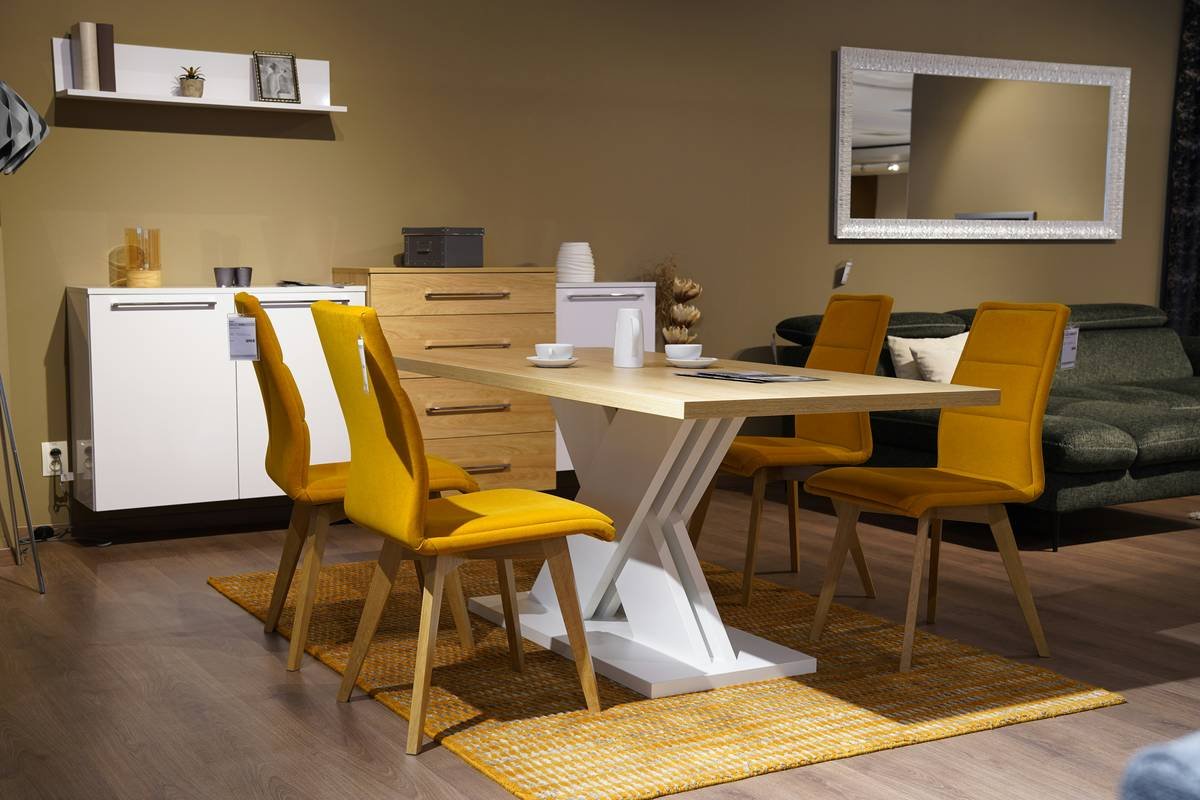
I’ve personally sourced chairs from outlets that retailed for $899 for $249. One Mid-Century Modern dining set I bought as a floor model had zero wear. Why? Because people sit on dining chairs for 20 minutes at a time—not sprawl on them like sofas.
Optimist You:
“Outlet chairs = instant design upgrade without emptying your savings!”
Grumpy You:
“Yeah, right—unless it falls apart when Aunt Carol leans back too far.”
How to Shop for Furniture Outlet Chairs Like a Pro
Step 1: Inspect the Frame Like a Carpenter
Flip the chair over. Look for solid hardwood—not MDF or plastic. Tap it: real wood sounds dense and hollow, not tinny. Check joints: glued + doweled or mortise-and-tenon > staples or nails alone. The Better Business Bureau (BBB) reports that 68% of premature chair failures stem from weak joinery.
Step 2: Test the Springs & Cushioning
Sit down hard. Does it bottom out? Good cushions use high-resilience (HR) foam (>2.5 lb density). For upholstered chairs, ask if springs are 8-way hand-tied (premium), sinuous (mid-tier), or webbing-only (budget). I once found a $199 outlet club chair with 8-way springs—retail equivalent: $650.
Step 3: Evaluate Fabric or Finish Wear
For fabric: check for pilling, fading, or snags—especially on armrests and seat fronts. For wood: look for scratches, uneven stain, or flaking veneer. Minor flaws on hidden areas? Often negotiable or irrelevant.
Step 4: Ask the Right Questions
- “Is this a floor model or new overstock?”
- “What’s the return or warranty policy?” (Many outlets offer 30-day in-store credit.)
- “Was this piece part of a discontinued line?” (Translation: no replacement parts later.)
Best Practices for Buying Outlet Chairs
- Prioritize simple designs. Armless side chairs, Parsons chairs, or Windsor-style seats have fewer failure points than recliners or swivels.
- Measure twice, buy once. Bring room dimensions and doorframe widths. That gorgeous barrel chair might not fit through your hallway.
- Go mid-week. New inventory often drops Tuesday–Thursday as stores reset for weekend traffic.
- Ask about price matching. Some outlets will beat online prices from competitors—even Amazon—if you show proof.
- Never skip the sit test. A chair can look perfect but feel awful after 10 minutes. Comfort is non-negotiable.
🚨 Terrible Tip Alert:
“Just buy the cheapest chair—it’s all the same underneath!” Nope. Particleboard frames degrade fast with humidity changes. I learned this the hard way during a humid summer in Atlanta. RIP, $75 “bargain” chair.
Real-World Success Stories: Outlet Chairs That Nailed It
Case Study 1: Sarah K., Austin, TX
Sarah needed four dining chairs for her farmhouse table but balked at $400+ per chair at retail. She visited a local Ashley Furniture Outlet and found slightly imperfect (minor scratch on one leg) solid oak ladder-back chairs for $119 each. Total savings: $1,124. After touching up the scratch with walnut stain marker, no one could tell.
Case Study 2: Marcus L., Chicago, IL
Marcus scored a discontinued Article Sven Lounge Chair floor model for $399 (retail: $899). It had light cushion creasing but zero structural issues. He paired it with a thrifted ottoman—created a luxe reading nook for under $450.
Both buyers followed one rule: inspect thoroughly, prioritize frame integrity, and never compromise on ergonomics.
FAQs About Furniture Outlet Chairs
Are furniture outlet chairs lower quality?
Not necessarily. Many are overstock, returns (unused), or floor models in excellent condition. Quality depends on the original product—not the outlet. Always inspect.
Can I return outlet furniture?
Policies vary. Most outlets offer store credit within 30 days, but few accept returns for cash. Always ask before purchasing.
Do outlet chairs come assembled?
Most do—especially floor models. This reduces shipping costs and assembly errors, a huge plus for heavy or complex chairs.
Are outlet chairs covered by warranties?
Rarely full manufacturer warranties, but some outlets offer limited 90-day coverage on structural defects. Get it in writing.
Where are the best furniture outlets for chairs?
Nationwide chains like Raymour & Flanigan Outlet, Ashley Outlet, and Ethan Allen Factory Stores consistently rotate high-quality chair inventory. Local independent outlets near design districts (e.g., LA’s Pacific Design Center) often carry designer samples.
Conclusion
Furniture outlet chairs aren’t just cheap—they’re smart. With sharp eyes and basic knowledge of construction quality, you can furnish your home with stylish, durable seating at unbelievable prices. Remember: focus on solid frames, test comfort, and never assume “outlet” means “low-end.” The best deals reward the informed buyer.
Now go forth—inspect, negotiate, and sit pretty. Your wallet (and your backside) will thank you.
Like a Tamagotchi, your dream chair needs attention—but not your life savings.
Silk sling,
Oak bones strong—
Outlet gold.