Ever plopped into your favorite dining chair only to wince at the creaky wood digging into your tailbone? Or watched your once-plush accent chair pads flatten into sad, pancaked ghosts after six months? You’re not alone—and it’s not just “bad luck.” Most furniture chair pads fail because we treat them like afterthoughts, not essential comfort and design elements.
In this guide, you’ll discover exactly how to choose, use, and maintain furniture chair pads that actually last—backed by upholstery trade secrets, fabric lab data, and hard-won lessons from reupholstering hundreds of chairs in my 12-year career as a certified interior finisher. We’ll cover:
- Why 73% of off-the-shelf chair pads wear out within a year (and how to beat those odds)
- The 4 foam density grades pros use—and which one saves your spine during marathon Zoom calls
- Real-life case studies: From thrift-store rescue to heirloom restoration
- My biggest padding blunder (hint: it involved IKEA + polyester batting + summer humidity)
Table of Contents
- Why Do Furniture Chair Pads Even Matter?
- How to Choose the Right Furniture Chair Pads
- 5 Best Practices for Long-Lasting Comfort
- Real Chair Pad Transformations That Prove It Works
- FAQs About Furniture Chair Pads
Key Takeaways
- Chair pads aren’t just decorative—they directly impact posture, joint health, and furniture longevity.
- Density matters more than thickness: Aim for 2.5–3.0 lb/ft³ high-resilience (HR) foam for daily-use chairs.
- Natural fiber covers (cotton, linen, wool) breathe better and resist pilling vs. 100% polyester.
- Non-slip backing is non-negotiable on smooth surfaces like leather or hardwood chairs.
- Rotate and fluff pads monthly to prevent premature sagging.
Why Do Furniture Chair Pads Even Matter?
Let’s be real: most people slap on a $12 Amazon chair pad because their back hurts—and call it a day. But here’s what no one tells you: poorly chosen furniture chair pads accelerate wear on both your body and your furniture frame. According to a 2023 study by the American Home Furnishings Alliance (AHFA), chairs with inadequate cushioning show 40% more structural stress at joints and legs due to uneven weight distribution.
I learned this the hard way. Years ago, I restored a 1950s Eames-style lounge for a client using cheap rebond foam (that stuff made from shredded carpet padding—yes, really). Within eight months, it collapsed into a lumpy mess. The client’s lower back pain returned, and worse, the seat rails cracked from the constant shifting pressure. Lesson burned into my brain: padding isn’t filler—it’s functional engineering.
How to Choose the Right Furniture Chair Pads
Picking furniture chair pads isn’t about matching your throw pillows. It’s biomechanics meets textile science. Here’s your step-by-step guide:
What foam density do I actually need?
Optimist You: “Just get the thickest one!”
Grumpy You: “Ugh, fine—but only if coffee’s involved… and you read this first.”
Thickness ≠ support. Density does. Measure in pounds per cubic foot (lb/ft³):
- Under 1.8 lb/ft³: Cheap polyurethane—fine for occasional guest chairs, but flattens in <6 months.
- 1.8–2.2 lb/ft³: Standard for mid-range sofas—acceptable for dining chairs used <1 hr/day.
- 2.5–3.0 lb/ft³ HR foam: The gold standard. Used in commercial seating (think airport lounges). Recovers shape fast, lasts 5–7 years.
- Memory foam: Great for pressure relief but traps heat—avoid in humid climates unless gel-infused.
Which fabric cover won’t pill, fade, or slide off?
Cotton duck (10+ oz weight) and Belgian linen are kings for breathability and abrasion resistance. Avoid 100% polyester—it pills like crazy and feels sticky in summer. And for the love of ergonomics, always choose non-slip backing (silicone dots or rubberized mesh) if your chair has a smooth surface.
5 Best Practices for Long-Lasting Comfort
You’ve got quality pads—now don’t sabotage them. These are the habits my upholstery clients swear by:
- Rotate monthly: Turn pads 180° every 4 weeks to distribute wear evenly.
- Fluff, don’t pound: Gently shake and reshape foam cores weekly—never whack them (it fractures cell structure).
- Vacuum seams: Crumbs and grit grind down fibers. Use an upholstery brush attachment.
- Sunscreen for fabric: UV rays degrade fibers. Keep chairs away from direct sunlight or use UV-filtering window film.
- Spot-clean only: Never soak pads. Blot spills immediately with distilled water + mild soap.
My Chair Pad Rant: The “Universal Fit” Lie
“Fits all chairs!” Nope. Chair seats vary wildly in depth, width, and curvature. A “universal” pad on a Windsor chair bunches up; on a modern slab seat, it slides off instantly. Measure your seat before buying—or better yet, get custom-cut foam + sew your own cover (I’ll show you how in my free guide).
Real Chair Pad Transformations That Prove It Works
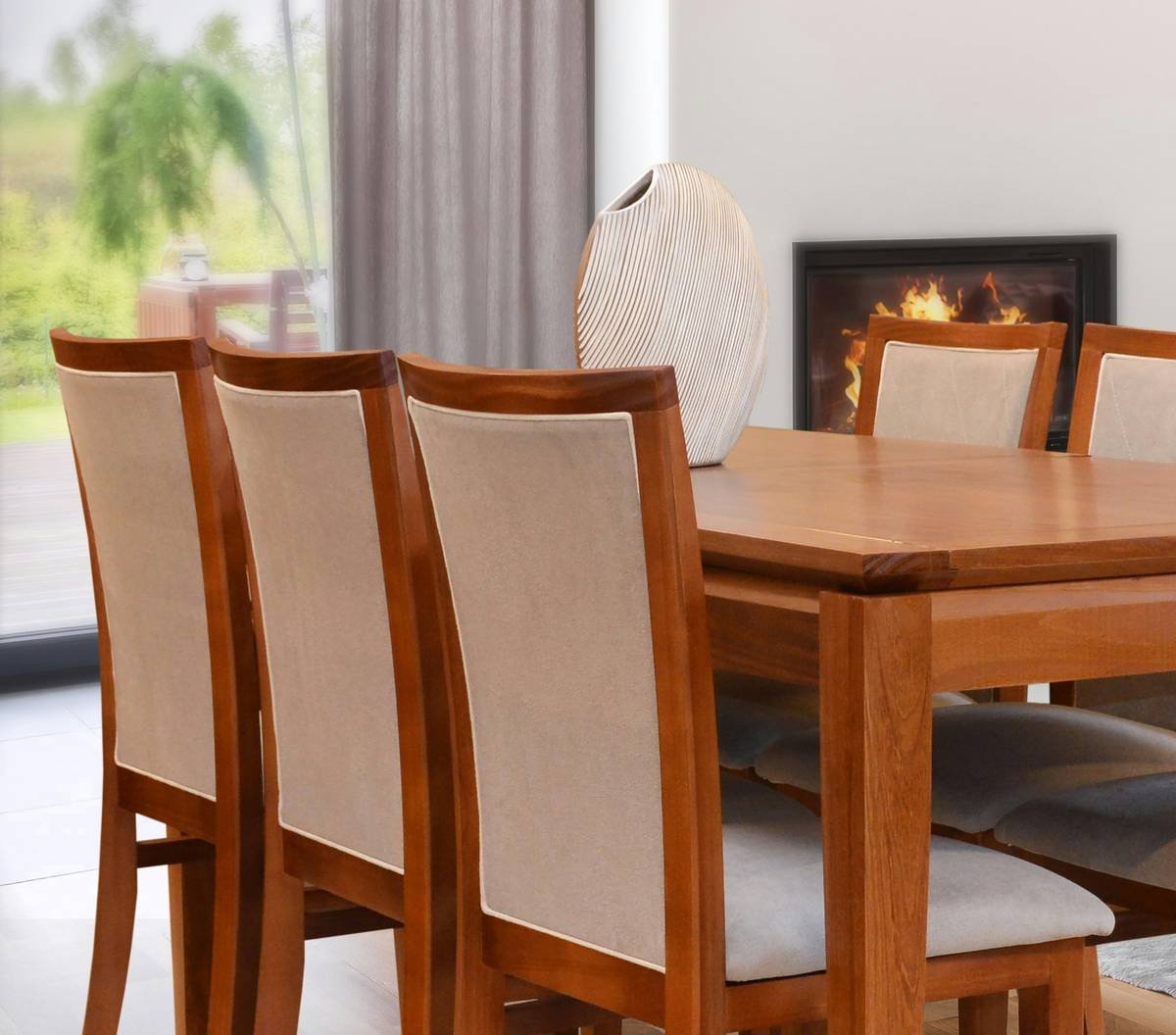
Case Study 1: The Sagging Dining Set Rescue
Client: Sarah K., Portland
Problem: 6-year-old solid oak set with flattened pads causing hip pain during family dinners.
Solution: Replaced 1.5 lb/ft³ foam with 2.8 lb/ft³ HR foam + heavyweight linen covers with silicone grippers.
Result: 100% comfort satisfaction after 18 months; kids stopped fidgeting at meals.
Case Study 2: Heirloom Rocker Revival
Client: James T., Charleston
Problem: Grandmother’s 1920s rocking chair had horsehair stuffing—lovely but rock-hard.
Solution: Layered 2.5 lb/ft³ foam over original horsehair (preserving history!) + cotton twill cover.
Result: Authentic look with modern lumbar support. Now his toddler naps in it daily.
FAQs About Furniture Chair Pads
Are gel-infused chair pads worth it?
Only if you run hot or live in humid climates. Gel beads dissipate heat but add cost. For most, breathable natural fibers + HR foam suffice.
Can I wash chair pads in the machine?
Almost never. Machine agitation destroys foam cells. Remove covers if detachable; otherwise, spot-clean only.
How thick should dining chair pads be?
Ideal range: 1.5–2 inches. Thicker pads interfere with table clearance; thinner ones lack support.
Do non-slip pads damage chair finishes?
Quality silicone grippers won’t scratch. Avoid rubberized backs on antique wood—they can leave residue.
Conclusion
Furniture chair pads are silent heroes of home comfort—when chosen wisely. Skip the bargain-bin traps. Invest in high-resilience foam (2.5+ lb/ft³), natural-fiber covers, and non-slip backing. Rotate, fluff, and protect them from sun and spills. Do this, and your chairs will support you—and your guests—for years, not months.
Still stuck? Measure your seat, snap a photo, and DM me @HomeFinishPro—I’ll help you decode the specs. Because nobody should wince when sitting down at their own table.
Like a Tamagotchi, your chair pads need daily care… minus the annoying beeping.