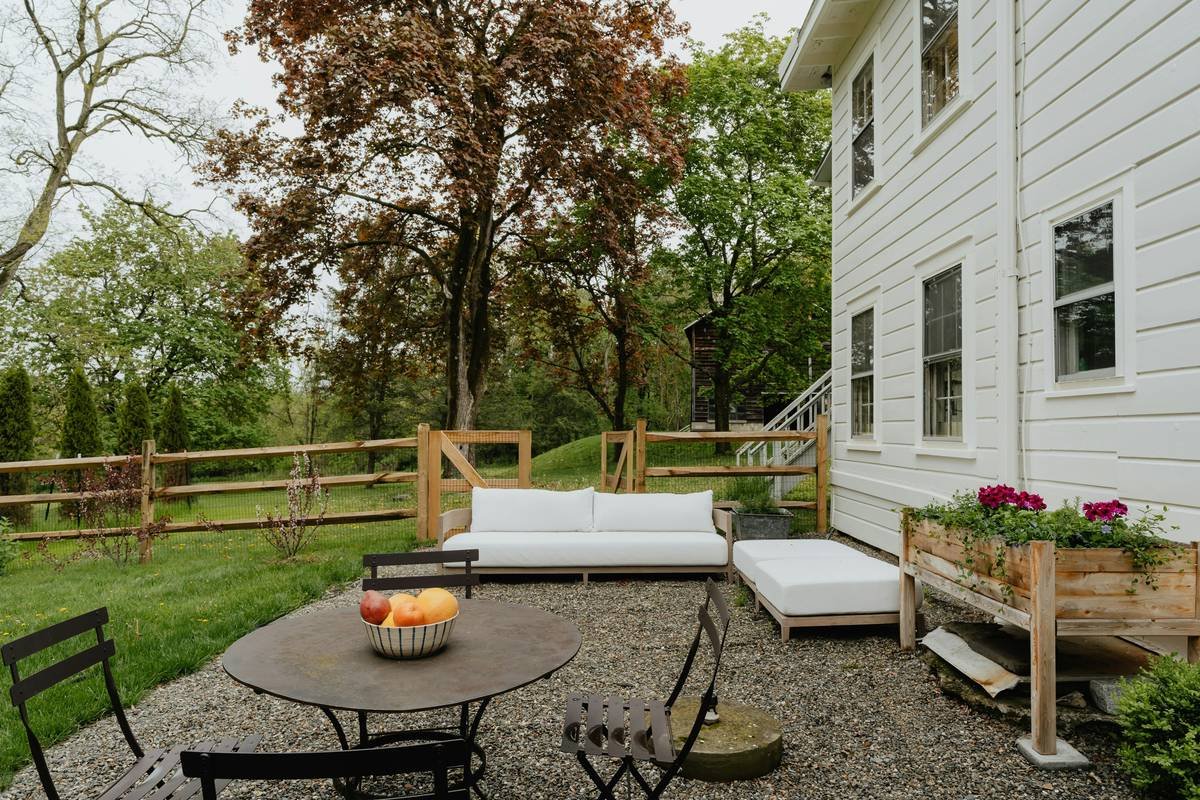
Your patio looks tired. Not because the layout’s wrong—but because your outdoor furniture chairs are failing silently in plain sight. They fade after one summer, wobble by October, and vanish into storage by winter. That’s not convenience—that’s surrender. The fix? Choosing chairs engineered for resilience, not just aesthetics.
Why Most Outdoor Furniture Chairs Don’t Last Beyond a Single Season
Most homeowners buy based on color or Instagram appeal—not material science. Big mistake.
Plastic resin? Brittle under UV. Wrought iron? Rusts faster than you can say “patio party.” Even teak—yes, *that* premium teak—can crack if it’s kiln-dried improperly or harvested green. And don’t get me started on powder-coated aluminum with cheap welds. One salt-laden breeze near coastal zones, and corrosion starts at the joints.
The real problem isn’t exposure—it’s expectation mismatch. You’re treating patio seating like indoor decor. But outdoor furniture chairs live in a war zone: sun, rain, pollen, bird droppings, kids dragging them across stone. If your chair wasn’t built for battle, it won’t survive peace.
How to Choose & Maintain Outdoor Furniture Chairs That Actually Endure
Forget browsing endless online galleries. Follow this battle-tested framework instead.
Material Matters More Than Style
Sure, Adirondack looks cozy. But if it’s made from untreated pine? Good luck. Prioritize performance-grade materials:
- Marine-grade polymer: Non-porous, UV-stabilized, zero maintenance.
- Powder-coated aluminum with stainless steel hardware: Lightweight yet rust-proof—even near pools.
- Fully sealed teak (Grade A): Oils naturally repel moisture; avoid “unfinished” claims.
Test Stability Like a Contractor—Not a Shopper
Don’t just sit. Shake it. Lift one leg. If it flexes more than ¼ inch, walk away. Outdoor furniture chairs endure lateral forces wind and uneven terrain create. Flimsy frames = broken legs by Labor Day.
Cleaning Isn’t Optional—It’s Preventative
Rinse monthly. Deep clean quarterly with oxygen bleach (never chlorine). Store cushions upright—never flat—to prevent water pooling that breeds mildew underneath.
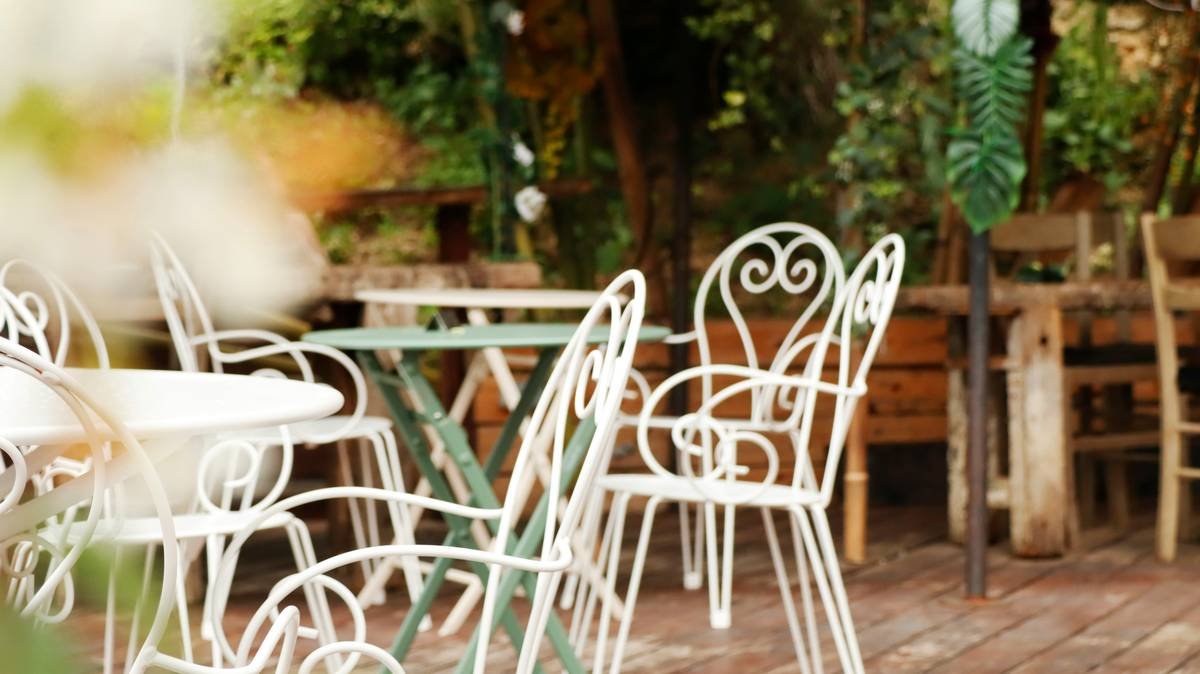
| Material Type | Avg. Lifespan (Years) | Maintenance Level | Best Climate Fit |
|---|---|---|---|
| Marine-Grade Polymer | 15–20+ | Low (rinse only) | All climates, including coastal |
| Powder-Coated Aluminum | 10–15 | Medium (check welds, clean crevices) | Dry to humid; avoid salty sand abrasion |
| Grade A Teak (Sealed) | 20–30 | Medium-High (annual oiling optional) | Mild to tropical; not ideal for freezing cycles |
| Woven Resin (HDPE) | 8–12 | Low | Shaded patios; degrades in direct desert sun |
The Industry Secret: “Weathering-In” Beats Weatherproofing
Here’s what no brand tells you: the best outdoor furniture chairs aren’t just resistant—they’re designed to *improve* with age. Take high-density polyethylene (HDPE) lumber used in premium recycled chairs. It doesn’t just withstand sun—it mellows into a soft, driftwood-like patina that hides scratches and feels richer over time. Meanwhile, untreated Grade A teak transitions from honey-gold to silvery gray—a look designers now pay premium rates to replicate artificially.
But—and this is critical—you must skip sealants during the first year. Let the material acclimate. Seal too early, and trapped moisture causes internal stress cracks. Wait 12 months, then decide if you want to preserve original color or embrace natural aging. That choice alone adds 5+ years to functional life.
FAQ
What makes outdoor furniture chairs different from indoor dining chairs?
They use UV-stabilized, moisture-resistant materials and all-weather hardware. Indoor chairs lack corrosion protection and degrade rapidly outside.
Can I leave outdoor furniture chairs out all winter?
Only if made from marine polymer or properly maintained teak. Metal or resin chairs in freeze-thaw zones risk cracking—cover or store them.
How often should I clean outdoor furniture chairs?
Rinse monthly with a hose. Deep clean every 3–4 months using mild soap and oxygen bleach to prevent mold and mineral buildup.