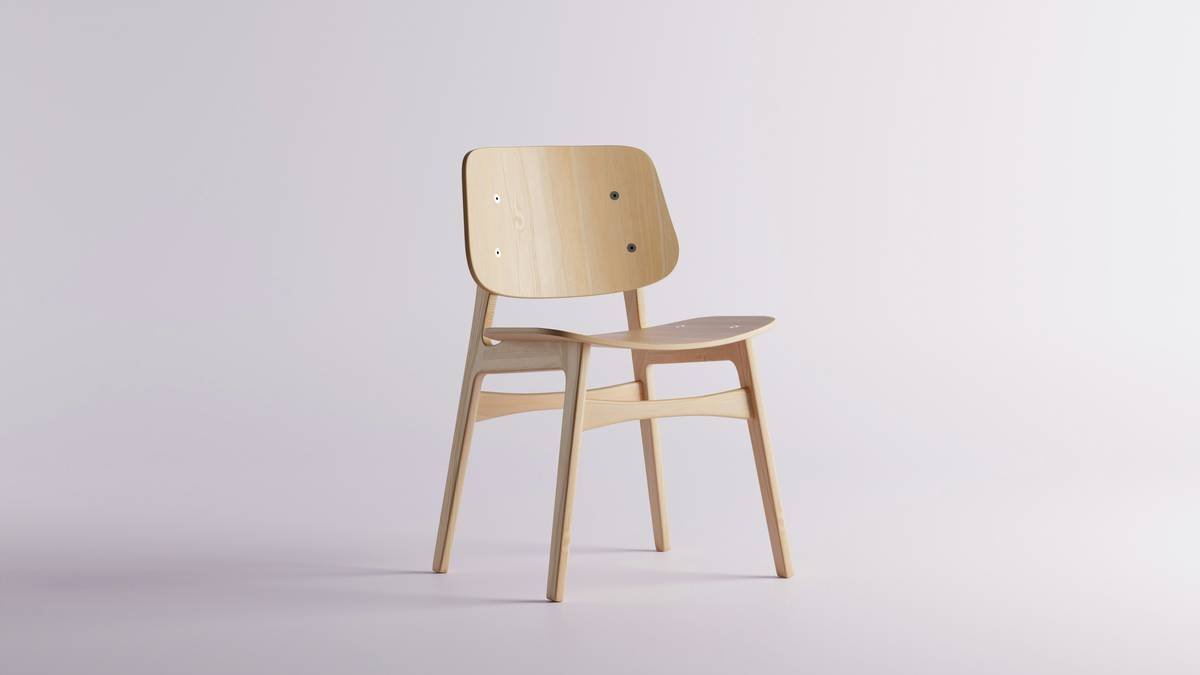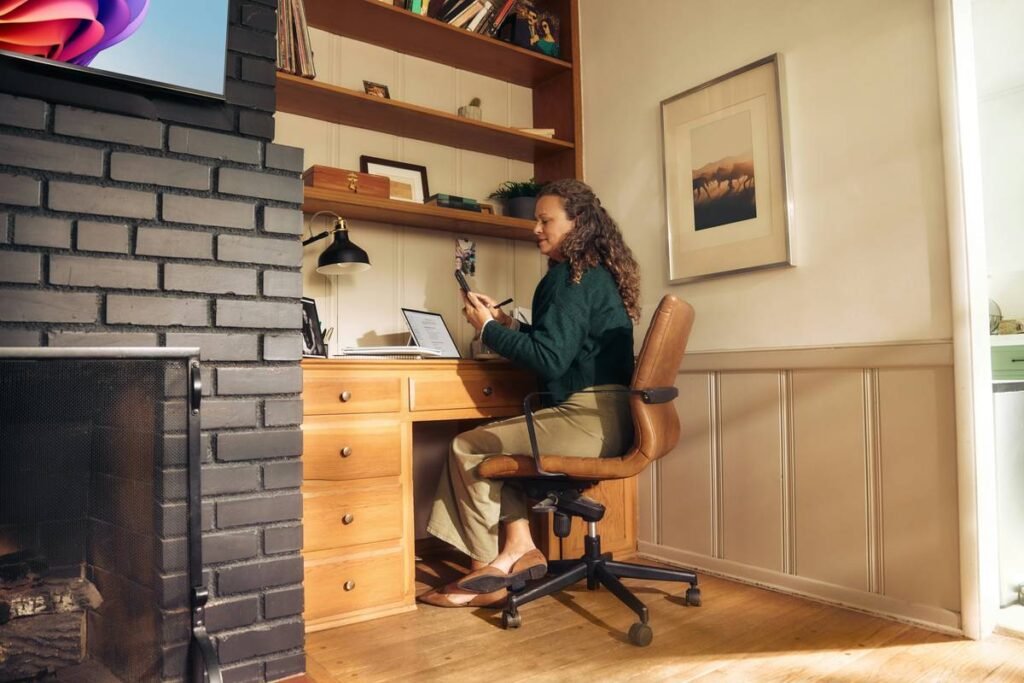
Most people buy office chairs because they’re “ergonomic”—then shove them into living rooms like afterthoughts. Big mistake. Your living room isn’t a cubicle. It’s where conversations spark, wine spills, and kids crash after school. And that stiff, mesh-backed task chair? It screams “I gave up.” The real solution? Furniture chair design for living room that blends posture support with personality—without looking like it belongs in a call center.
Why Office Chairs Fail in Living Rooms
Office chairs prioritize function over form. Swivel bases, aggressive lumbar pads, and plastic armrests work fine when you’re staring at spreadsheets—but they clash hard with warm lighting, textured rugs, and family photos. Worse, they encourage isolation. Think about it: nobody curls up beside a rolling executive chair to watch a movie.
And durability? Those gas lifts wear out fast under non-desk use—bouncing during board games or sliding during pet cuddles. You’re not just mismatching aesthetics. You’re inviting mechanical failure.
Choosing the Right Chair: A Hybrid Approach
Forget forcing an office chair into a social space. Instead, adapt ergonomic principles to living room-friendly silhouettes. Start by asking: What’s the primary activity here? Lounge reading? Hosting guests? Gaming marathons?
Match Form to Function—Not Just Labels
A “living room chair” doesn’t have to be a wingback or chaise. Look for hidden ergonomics: seats with 17–19″ depth (supports thighs without cutting circulation), backrests angled at 100–110 degrees (not 90° like desks!), and arms that cradle elbows at 90° when seated. Upholstery matters too—performance fabrics resist stains better than leather if snacks are involved.
Style That Doesn’t Sacrifice Support
Modern lounge chairs now embed memory foam lumbar zones beneath fabric covers. Some even offer subtle recline mechanisms disguised as solid wood frames. The key is seamlessness—support should feel intuitive, not clinical.
| Chair Type | Best For | Price Range | Ergonomic Score* |
|---|---|---|---|
| Mid-Century Lounge | Conversation zones, small spaces | $400–$900 | 7/10 |
| Reclining Club Chair | Media rooms, post-dinner lounging | $600–$1,500 | 8.5/10 |
| Hybrid Task-Lounge | WFH + evening relaxation | $500–$1,200 | 9/10 |
| Traditional Wingback | Formal seating, decorative accents | $700–$2,000 | 5/10 |
*Ergonomic Score based on seat depth, lumbar alignment, armrest height adjustability, and material resilience.

The Industry Secret: Borrow from Hospitality Design
Here’s what interior designers won’t tell you: hotel lobbies nail this balance. They use chairs that look inviting but survive 18-hour days of strangers plopping down. How? Layered construction. A hardwood frame, high-resilience foam core, and a thin top layer of plush fiberfill creates that “sink-in-but-still-supported” feel. Plus, commercial-grade textiles like Crypton or Sunbrella Resist™ repel coffee, ink, and pet hair without screaming “stain-proof.” Replicate this at home—skip the big-box retail specials. Go to contract furniture suppliers. Yes, it costs more upfront. But you’ll replace it once, not three times.
FAQ
Can I use an office chair in my living room if I really love it?
Technically, yes—but strip the wheels, swap the base for a wooden sled or fixed legs, and reupholster it in linen or velvet. Otherwise, it’ll always feel out of place.
What’s the ideal seat height for a living room chair?
16–18 inches from floor to cushion top. This pairs well with standard coffee tables (16–18″) and prevents knee strain when standing up.
Are accent chairs comfortable for long periods?
Only if they include proper lumbar curvature and seat depth. Many are purely decorative. Test-sit for 10 minutes before buying—discomfort shows up fast.