You need dining chairs. Fast. But every option feels like a compromise—cheap ones wobble after three months, custom pieces cost more than your monthly rent, and used sets smell faintly of someone else’s life. The real problem? Most people treat dining chairs like disposable decor. They’re not. They’re daily-use machinery masquerading as seating. Here’s how to get it right without wasting time or money.
Why “Just Buy It Online” Fails for Dining Chairs
Mass-produced chairs prioritize shipping efficiency—not longevity. Corners are cut: particleboard instead of solid wood, stapled joints over mortise-and-tenon, vinyl pretending to be leather. And sizing? Good luck matching 17″ seat height to your 30″ table when the product photo hides dimensions in fine print. You end up with chairs that look great in a staged room—but fail under real-world stress: kids leaning back, guests staying late, daily scooting in and out.
Online retailers optimize for conversion, not comfort over time. That disconnect is why returns for dining chairs hover near 22% industry-wide. Don’t become a statistic.
dining chair how to get furniture that survives dinner parties—and toddlers
Start by reframing the goal: durability + fit > trendiness. Below is a battle-tested framework I’ve used with clients from Brooklyn brownstones to Texas ranch houses.
Assess Your Real Needs (Not Pinterest Dreams)
Measure your table clearance first—vertical and horizontal. Standard dining chairs need 6–8 inches of space between seat and tabletop. Armless side chairs require at least 20 inches of width per seat; armchairs demand 24+. Forget “matching sets.” Mix styles if ergonomics align. A Windsor back with a Parsons seat? Perfect—if both clear the apron.
Evaluate Frame Materials Like an Engineer
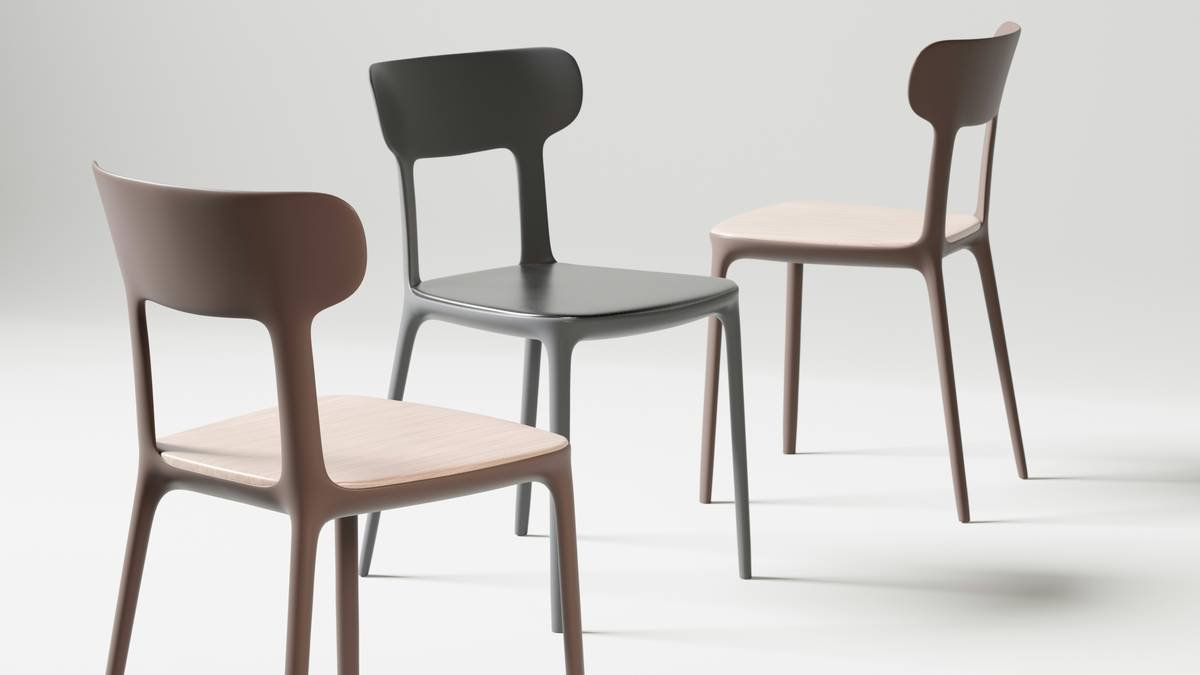
Hardwood frames (oak, maple, ash) outperform anything composite. Ask: “Is this solid through the legs and stretchers?” If the vendor hesitates, walk away. Metal bases? Powder-coated steel beats hollow aluminum any day. Upholstery matters less than frame integrity—you can reupholster. You can’t reinforce a split leg.
Choose Acquisition Method Strategically
Your budget and timeline dictate approach. Here’s the unvarnished breakdown:
| Method | Cost Range | Timeframe | Durability Score (1-10) | Best For |
|---|---|---|---|---|
| New Retail (Big-Box) | $80–$250/chair | 3–7 days | 3 | Renters, short-term stays |
| Vintage/Thrifted | $40–$180/chair (+$60 refinishing) | 2–6 weeks | 8 | Character lovers, DIYers |
| Local Artisan Custom | $350–$900/chair | 8–14 weeks | 9.5 | Heirloom buyers, allergy-sensitive homes |
| Online Direct-to-Consumer | $150–$400/chair | 2–4 weeks | 6 | Style-focused urbanites |
The Upholstery Trap Nobody Talks About
Here’s the industry secret: most dining chair failures start with seat foam density—not frame quality. Cheap manufacturers use 1.2 lb/ft³ foam. It compresses permanently within 6 months. Demand specs: anything below 1.8 lb is a rental-grade shortcut. Better yet? Choose chairs with removable slipcovers or sprung webbing seats. They last decades with minimal upkeep. I once restored a 1940s set where the only replacement needed was $12 burlap webbing—original oak frames were untouched. That’s the benchmark.
Frequently Asked Questions
What’s the minimum seat height for standard dining tables?
Aim for 17–19 inches from floor to seat top. This gives proper knee clearance under a standard 28–30 inch table.
Can I mix different chair styles around one table?
Absolutely—if seat heights match within 0.5 inches and armrests (if present) don’t hit the tabletop. Cohesion comes from proportion, not uniformity.
How do I test chair stability before buying?
Sit, lean back slightly, and shift weight side-to-side. No creaks or wobbles? Solid joinery. If it groans like a haunted house—walk away.