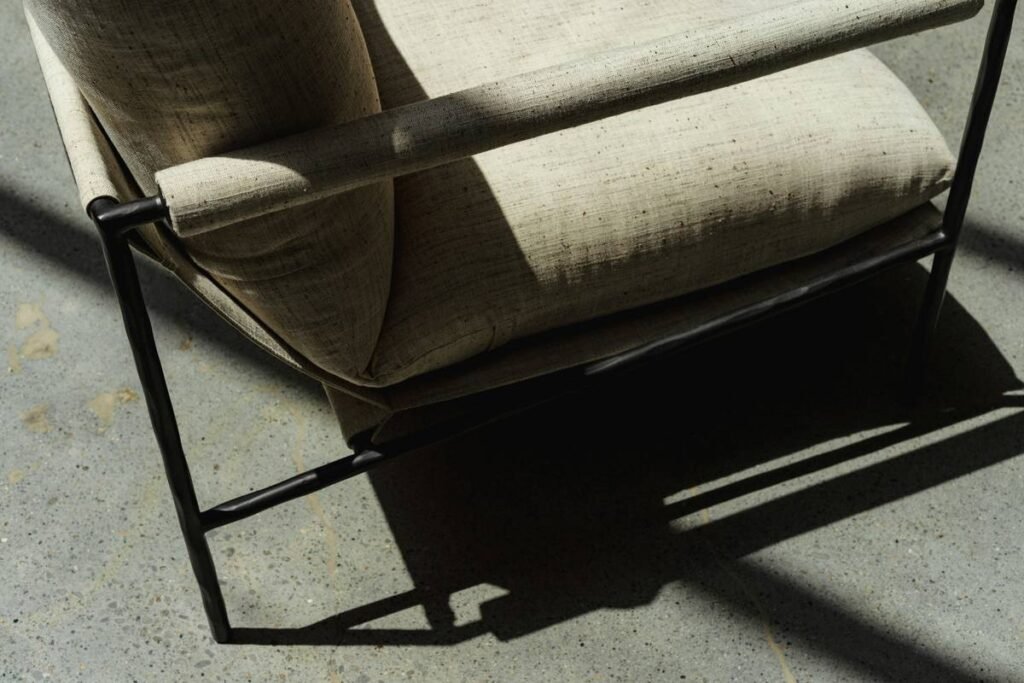
You bought a stunning accent chair—only to find a wobbly leg or a torn seat cushion within months. Frustrating? Absolutely. Most shoppers focus on fabric and silhouette but ignore the skeleton beneath: furniture chair parts that dictate longevity, comfort, and value. Here’s how to spot weak construction before it costs you twice.
Why Most Buyers Get Duped by “Beautiful” Accent Chairs
They look at curves. They feel the upholstery. They imagine Instagram photos. But they skip the frame. And that’s where retailers cut corners—hard. Particleboard legs disguised as solid wood. Staples instead of dowels. Springs swapped for sag-prone webbing. You’re not just buying a chair—you’re betting on its hidden architecture. And the house usually wins.
Decoding Furniture Chair Parts: A Step-by-Step Breakdown
True quality isn’t visible from across the room. It’s in the joints, the joinery, the unseen reinforcements. Let’s pull back the curtain.
Frame Material: Solid Wood vs. Engineered Alternatives
Solid hardwood frames (oak, maple, beech) last decades. Plywood or MDF? Maybe five years—if you’re gentle. And don’t trust paint jobs that hide grain patterns. Real wood shows character; fake wood hides compromise.
Joinery Methods That Actually Hold Up
Doweled and glued joints beat staples and nails every time. Why? Vibration and weight distribution. A chair creaks when fasteners loosen—not when wood is fused molecularly through proper joinery. Listen closely next time you sit.
Seating Support Systems: Springs vs. Webbing
Eight-way hand-tied springs offer superior support but cost more. Sinuous springs are mid-tier. Webbing? Budget-grade. It stretches. It sags. It fails silently. Your lower back pays the price.
| Furniture Chair Parts Component | Budget Option | Premium Option | Lifespan Difference |
|---|---|---|---|
| Frame Material | Particleboard/MDF | Kiln-dried Hardwood | 3–5 yrs vs. 15+ yrs |
| Joinery | Staples + Nails | Doweled + Glued + Corner Blocks | 6–12 mos vs. Decades |
| Seat Support | Elastic Webbing | Eight-Way Hand-Tied Springs | Sags in ~2 yrs vs. Holds shape 10+ yrs |

The Industry Secret: What Upholsterers Won’t Tell You
Here’s the reality: most “accent chairs” sold online aren’t built to be repaired. They’re disposable by design. Manufacturers omit corner blocks—the small triangular reinforcements at frame intersections—to shave $2 per unit. But those $2 savings translate to catastrophic joint failure under daily use. Ask your retailer: “Are there corner blocks?” If they hesitate, walk away. A true craftsman won’t flinch.
Frequently Asked Questions
What are the most critical furniture chair parts for durability?
The frame material and joinery method. Solid hardwood with doweled joints and corner blocks outlast fabric trends by decades. Everything else is cosmetic.
Can I replace broken furniture chair parts myself?
Sometimes. Legs or casters? Yes. But structural repairs—like regluing joints or replacing webbing—require tools and tension knowledge. One wrong move, and the chair collapses mid-sit.
Why do some chairs wobble after a few months?
Poor joinery. Staples pull out. Nails bend. Without corner blocks or proper glue, micro-movements become macro-failures. It’s physics—not bad luck.