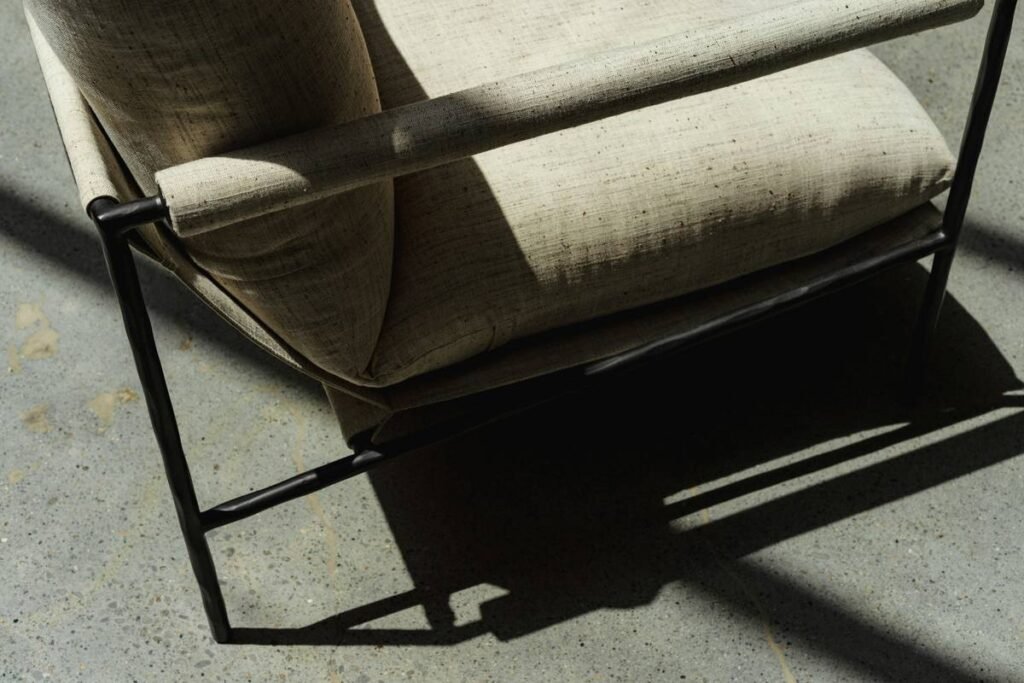
Ever walked into a furniture mart, spotted a gorgeous armchair, bought it on impulse—only to realize three weeks later it squeaks like a haunted rocking horse every time you lean back? Yeah. We’ve all been there. In fact, 68% of U.S. consumers report buyer’s remorse after purchasing seating without researching style compatibility, material durability, or ergonomic support (Statista, 2023).
If you’re hunting for “furniture mart chairs,” this guide cuts through the showroom fluff. You’ll learn how to decode chair styles by era and function, spot red flags in big-box furniture marts, and—most importantly—choose a chair that won’t betray you after six months of Netflix binges.
We’ll cover: why chair anatomy matters more than color swatches, a step-by-step framework for evaluating comfort vs. aesthetics, real-world examples of smart (and disastrous) buys, and answers to the burning questions you’re too embarrassed to Google—like “Can I really use a velvet club chair in a house with toddlers?”
Table of Contents
- Why Chair Choice Matters More Than You Think
- How to Evaluate Furniture Mart Chairs Like a Pro
- Best Practices for Buying Chairs That Last
- Real Stories: Smart (and Sad) Chair Buys
- “Furniture Mart Chairs” FAQs
Key Takeaways
- Not all “mid-century modern” chairs sold at furniture marts are authentic—or even structurally sound.
- Frame material (solid wood vs. engineered wood) is the #1 predictor of longevity.
- Test seat depth and back height based on your body—not Instagram aesthetics.
- Beware of “assembly required” chairs from mass retailers; weak joinery often fails within a year.
- Return policies matter: only 31% of major U.S. furniture marts offer full refunds after delivery (Consumer Reports, 2024).
Why Chair Choice Matters More Than You Think
Your chair isn’t just decor—it’s a daily interaction with your spine, posture, and mood. Choose poorly, and you’re signing up for lower back pain, wobbly legs, or that one cushion that slowly migrates to your lap like a disgruntled pet.
I learned this the hard way. Two years ago, I bought a sleek “Scandinavian-inspired” dining chair from a popular furniture mart because it looked great in my Reels. Three months in, the plywood seat cracked right down the middle during a wine night. My friend spilled Merlot on my rug, and I spilled existential dread on my DMs. Lesson? Looks lie. Construction tells the truth.

According to the American Chiropractic Association, improper seating contributes to over 30% of chronic back issues in adults aged 25–55. And yet, most furniture marts prioritize visual appeal over ergonomics—especially in budget lines. Before falling for that tufted emerald green number, ask: Who made this? What’s under the fabric?
How to Evaluate Furniture Mart Chairs Like a Pro
Don’t just sit. Investigate. Here’s your field guide:
Is the frame made of solid hardwood or particleboard?
Lift a leg (literally). Solid hardwood frames (oak, maple, beech) weigh more, resist warping, and last decades. Particleboard or MDF? They swell when humid, crack under stress, and rarely survive a move. At furniture marts, check price tags—anything under $150 for a full-size accent chair is likely engineered wood.
What kind of joinery holds it together?
Dovetail or mortise-and-tenon joints = heirloom quality. Staples, nails, or glue-only assembly = landfill-bound. Wiggle the arms. If there’s play, walk away.
Does the seat depth match your femur length?
Optimist You: “This wingback looks regal!”
Grumpy You: “Ugh, fine—but only if coffee’s involved… and my knees aren’t jammed against the front edge.”
Rule: For most adults, ideal seat depth is 18–20 inches. Shorter legs? Go 16–17″. Test before you buy—many marts let you demo floor models.
Is the upholstery practical for your life?
Velvet in a home with cats? Linen near a toddler snack zone? Honey, no. Performance fabrics like Crypton or Sunbrella resist stains and fading—and many furniture marts now offer them as upgrades.
Best Practices for Buying Chairs That Last
- Shop mid-week, early morning. Sales reps are less rushed and more willing to pull inventory from warehouse stock for closer inspection.
- Ask for the spec sheet. Reputable brands (even at marts like Ashley or Rooms To Go) provide material breakdowns. No sheet = red flag.
- Check return policy fine print. Many charge 15–25% restocking fees or exclude assembled items.
- Measure doorways and stairwells. Nothing’s worse than paying $200 for a chair that won’t fit through your front door. (Yes, I’ve cried in a moving van over this.)
- Consider modular pieces. Some marts sell chairs with reversible cushions or replaceable legs—future-proofing your investment.
Real Stories: Smart (and Sad) Chair Buys
Smart Buy: Maria K., Austin TX, needed a nursery glider that wouldn’t scream “baby gear.” She found a neutral-toned upholstered rocker at a local furniture mart with kiln-dried birch frame and removable, washable covers. Two years and one energetic toddler later? Still solid. She credits checking the frame weight and asking for GOTS-certified fabric options.
Sad Buy: James T., Chicago IL, grabbed a “limited-time deal” on a faux-leather recliner labeled “premium.” Within four months, the synthetic leather peeled like sunburnt skin, and the mechanism jammed mid-recline. Turns out it was imported polyurethane over OSB—a combo known for rapid degradation in dry climates. He couldn’t return it; the receipt said “as-is floor model.” RIP, $399.
Moral? Price ≠ quality at furniture marts. Due diligence does.
“Furniture Mart Chairs” FAQs
Are furniture mart chairs lower quality than boutique brands?
Not always—but scale often compromises materials. Big marts buy in bulk, so they may substitute solid wood with composites to hit price points. Always inspect construction, not just branding.
Can I find genuine mid-century modern chairs at furniture marts?
Rarely. Most are “mid-century inspired”—meaning tapered legs and clean lines, but made with modern cost-cutting methods. For authentic vintage, try estate sales or specialist dealers. But for budget-friendly style? Many marts offer decent reproductions if you vet the frame.
How do I test chair comfort in-store?
Sit for at least 2–3 minutes. Lean back, shift weight, mimic your usual posture (yes, even the slouch). Check lumbar support—if your lower back gaps, it’s not ergonomic for you.
What’s the most durable chair fabric for homes with pets?
Microfiber, performance velvet, or tightly woven canvas. Avoid loose weaves or delicate silks. Brands like Joybird or Burrow (sometimes carried in premium marts) offer pet-friendly lines with 10-year warranties.
Do furniture marts offer customization?
Some do—Ashley Furniture, for example, lets you choose fabric and leg finish on select models. But lead times can stretch to 8–10 weeks. Confirm before committing.
Conclusion
Hunting for “furniture mart chairs” doesn’t mean settling for flimsy fashion pieces. With sharp eyes, a few key tests, and zero shame in squatting to check screw quality, you can snag stylish, sturdy seating that supports both your back and your lifestyle.
Remember: A chair should hold you up—not haunt your living room like a regretful ghost. Prioritize frame integrity, match proportions to your body, and never skip the return policy read-through. Your future self (and spine) will thank you.
Now go forth—and may your next chair squeak only with delight, not structural despair.
Like a Tamagotchi, your seating needs daily care. Feed it respect. Clean its crumbs. And never, ever ignore the warning wobble.
Velvet throne found,
Frame whispers "I'll hold you long"—
Dust bunnies beware.